Bio CaCl₂
Solid bio calcium chloride
made from oyster shells
We turn calcium from oyster shells into calcium chloride to make solid CaCl₂ (target concentration 75%). The goal is to replace imported solid calcium chloride in the de-icer and desiccant markets.
Process
Oyster shells → CaCl₂ → de-icer · desiccant
The detailed process is CARBON-U proprietary technology; only the concept flow is shown here.
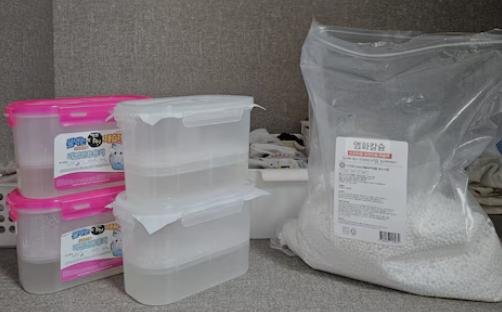
Features of bio calcium chloride
- Clear, odorless liquid and solid products
- Eco de-icer designed for both cost-efficiency and lower corrosion
- Domestic feedstock — less import, currency and logistics risk
※ Corrosion-reduction performance is to be confirmed through product certification testing.
Business Opportunity
Why it is an opportunity
Import substitution
Most solid CaCl₂ sold in Korea is imported from China; domestic production is mostly liquid or small in volume.
Growing eco-friendly de-icer market
The de-icer market is made up of sodium chloride 65% · calcium chloride 18% · eco-friendly de-icers 17%, with the eco-friendly share rising every year.
Calcium chloride de-icer: approx. KRW 30 billion
About 160,000 t used in 2022. No domestically produced solid de-icer from oyster shells has been identified (company research).
Source: CARBON-U IR materials (Oct 2026). Buyers: local governments · road authorities · desiccant makers
Partnering with local governments · road authorities
We review pilot use of eco-friendly de-icers and procurement linkage together.